Early detection
MoodMate detects emotional shifts and stress indicators at an early stage, before they significantly affect daily well-being. Through real-time facial and voice analysis, the system enables timely lifestyle adjustments that help reduce burnout risk and improve productivity.
Accurate results
The platform uses multimodal deep learning to evaluate both facial expressions and voice signals, resulting in more accurate emotion recognition. This combined approach improves reliability and supports highly relevant, personalized recommendations.
Easy to use
The mobile experience is intentionally simple and intuitive, allowing users to submit inputs and receive recommendations in seconds. Clear insights and guided suggestions are delivered with minimal effort.
INTELLIGENT AI-POWERED SYSTEM FOR ENHANCING WELL-BEING OF WORKING ADULTS
This research addresses the growing need for personalized well-being support for working adults, who often face stress, fatigue, and emotional imbalance in demanding environments. With limited time for self-care, maintaining mental and physical wellness has become increasingly difficult.
Most existing wellness applications are static and do not understand real-time emotional states or user context. To overcome this gap, MoodMate introduces an adaptive AI framework that analyzes facial and voice inputs to recognize emotion. The system combines context-aware intelligence with personalized recommendations for music, food, and activities, helping users build healthier and more balanced routines.
Domain
A complete overview of the research journey, from initial exploration to final implementation.

Literature Review
AI-based wellness applications are increasingly used to support mental health and lifestyle improvement through emotion-aware recommendations. However, many conventional systems still rely on single-modal inputs and static recommendation logic, which limits accuracy and adaptability. This project addresses these limitations by integrating multimodal emotion recognition from facial and voice data with a context-aware recommendation engine to deliver more dynamic and personalized support for working adults.

Research Gap
Current wellness applications are often static and single-modal, which limits their ability to understand emotional states with high precision. Many solutions also ignore contextual factors such as time, location, and personal preferences, resulting in less effective recommendations. In addition, limited personalization and adaptation reduce their long-term impact on user well-being.
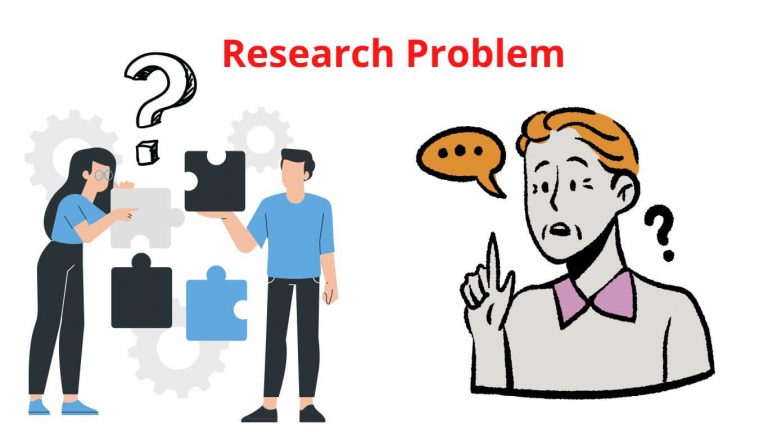
Research Problem
Traditional wellness applications are often fragmented and insufficiently responsive to real-time emotional changes. As a result, recommendations can be generic and less effective. Few platforms combine multimodal emotion recognition with contextual awareness in a unified architecture. With stress and lifestyle-related challenges increasing among working adults, there is a clear need for intelligent systems that provide adaptive, personalized, and real-time support.
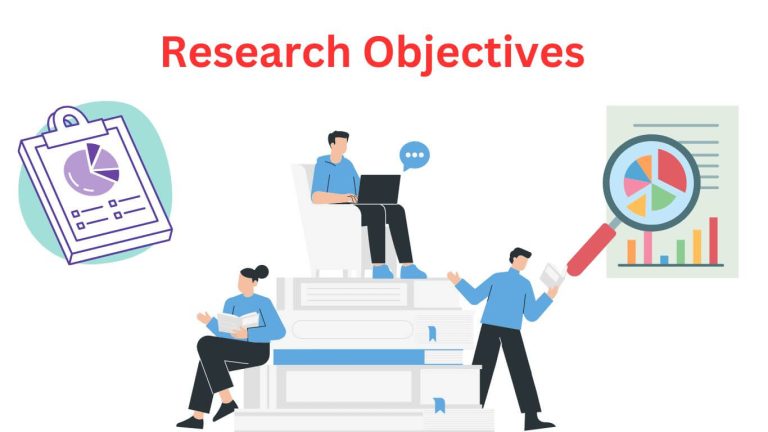
Research Objectives
The primary objective is to develop an AI-powered lifestyle recommendation system that enhances the well-being of working adults. The solution combines multimodal emotion recognition from facial and voice inputs with contextual factors such as time, location, and user preferences. By continuously analyzing this data, the system detects emotional states, delivers personalized recommendations, and adapts over time to improve user outcomes.
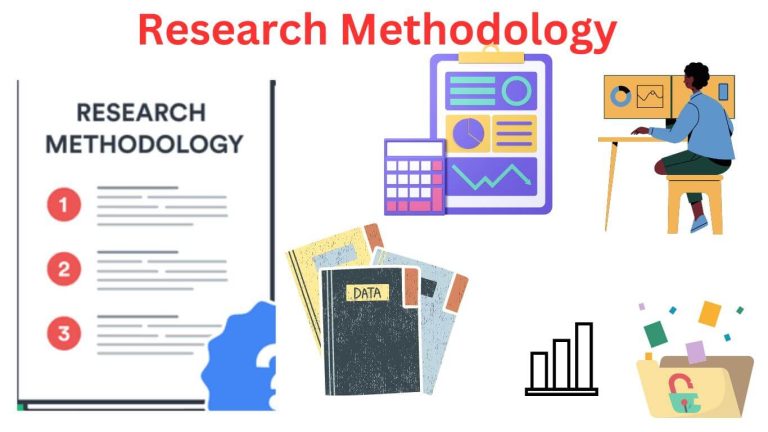
Methodology
The methodology combines multimodal emotion recognition with contextual intelligence in a mobile-first architecture. Facial and voice inputs are processed using deep learning models to identify emotional states, then enriched with contextual data such as time, location, and user preferences. Based on this combined profile, the system generates personalized recommendations for music, food, and activities. Continuous feedback loops are used to improve recommendation quality over time.
Features
Improve daily well-being through an intelligent recommendation experience powered by multimodal emotion recognition and machine learning. MoodMate delivers personalized, context-aware guidance in real time to support healthier and more balanced lifestyle decisions.

User-Friendly Design
The application offers a clean, intuitive mobile interface that makes data capture and recommendation access effortless. Users can quickly understand insights and act on suggestions without technical complexity.

Quick Emotion Detection
MoodMate rapidly detects emotional states through real-time facial and voice analysis. This enables timely, personalized recommendations that help users respond to stress and maintain balance more effectively.

Effortless Navigation
Navigation is designed for speed and clarity. Whether users are submitting inputs, reviewing mood trends, or exploring recommendations, each flow is streamlined for a smooth experience.

Intuitive Interface
Designed with usability at the core, the interface clearly guides users through emotion detection, insights, and recommendations in a straightforward and engaging way.
Milestone
A structured timeline highlighting key deliverables and evaluation milestones.

Topic Assessment Form (TAF)
Submission of the Topic Assessment Form for project approval.
03 September 2025
Project Charter
Defines the objectives, scope, and stakeholders of the project.
17 SEPTEMBER 2025
Project Proposal
Initial draft of the proposal report for review and feedback.
- Project Proposal document - 6%
- Project Proposal presentation - 6%

Proposal Presentation
Presentation of the project proposal to the evaluation panel.
- Project Status Document - 1%

Proposal Reports (Final - for marking)
Final version of the proposal submitted for assessment.
- Progress Presentation I - 15%

Progress Presentation II
Reviewing 90% completion of the project before final submission.
- Progress Presentation II - 18%

Website Assessment
Website designed for marketing purpose of the system is assessed here.
- Website Assessment - 2%

Final report
This submission requires five reports of the research findings of the whole group as well as each individual's. Each individual report must be written by the sole author, clearly state their Individual objectives, theme, contribution and must clearly demonstrate the individual’s work.
- Individual report - 19%

Final Presentation & Viva
Final individual viva to evaluate student contributions and knowledge.
- Final Presentation & viva - 20%

Research paper
Summarizes project research findings and contributions to knowledge.
- Research paper - 10%
Project Resources
Centralized access to key project documents, research outputs, and presentation materials.
- All
- Status Document
- Research Paper
- Final Document
- Presentation slides


Team
A multidisciplinary team committed to building practical AI solutions for everyday well-being.

Ms. Jenny Krishara
Supervisor
Ms. Pubudika Wijesundara
Co-Supervisor
Bandara S.S.A.I.S
IT21358548
Abeywickrama U. S
IT21363702Contact Us
Contact us for collaborations, project inquiries, or additional information.